episode

16

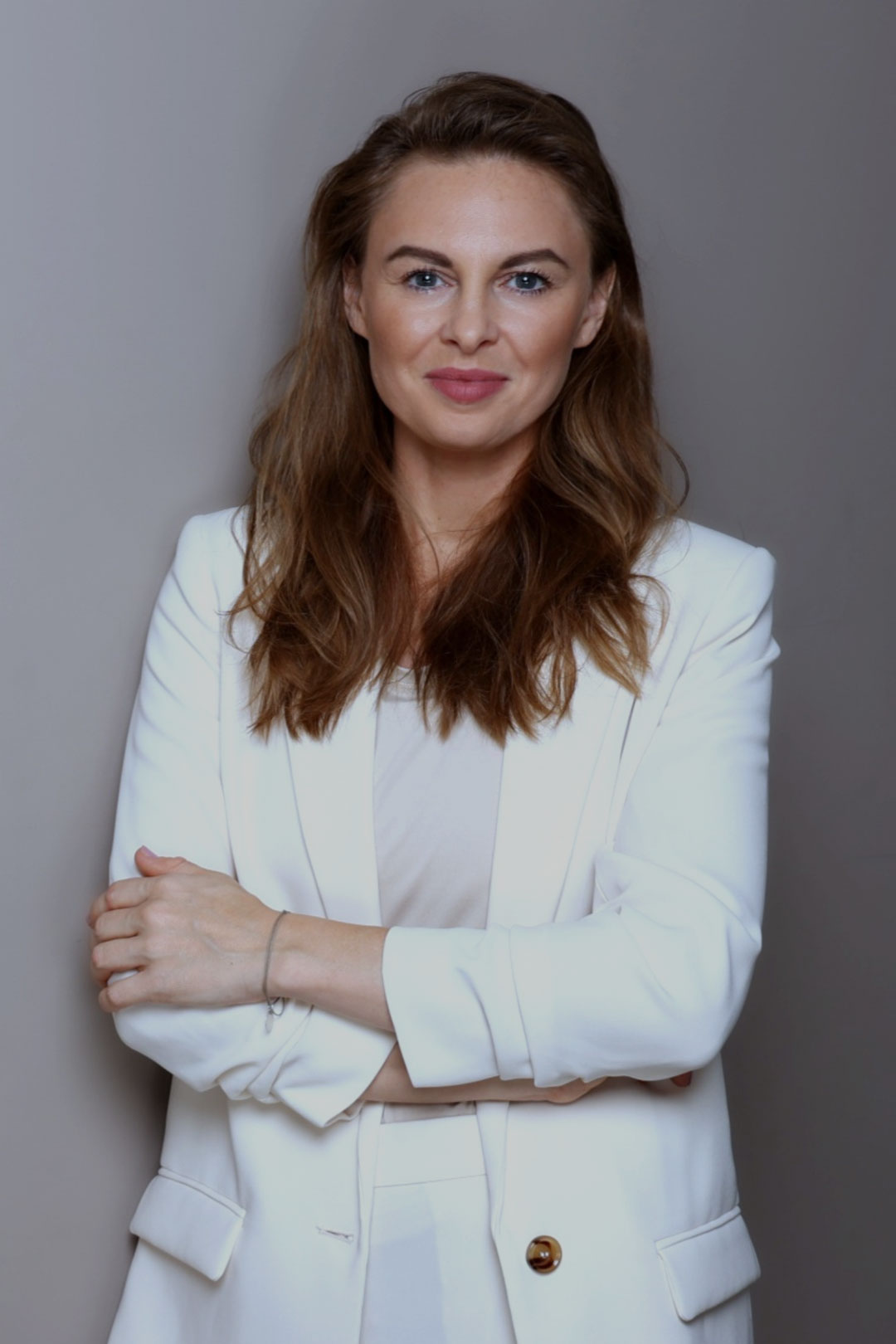
Mary Abdelaziz-Ditzow (Finanzfluss): The Myth of Neutrality, Trust as Currency & AI in the Newsroom

narrative now by getpress

Neutrality is not mentioned in the Interstate Media Treaty or the Press Code. What becomes possible when journalism stops promising something it could never deliver?

In this episode of narrative now, host Max speaks with Mary Abdelaziz-Ditzow, Editor-in-Chief of Business & News at Finanzfluss and author of "Behind the News." Her career path has taken her from an internship at Handelsblatt to building Handelsblatt Today and leading the Business and Innovation department at ntv, before joining Finanzfluss, where she has been building her own editorial team since 2025 and hosting the podcast "Im Loop." She writes her media criticism from the inside: as an award-winning business journalist who believes in good journalism and, for that very reason, takes an honest look at her industry.

The focus is on an observation many are familiar with: on topics like COVID-19, the war in Ukraine, or the Middle East, a single narrative temporarily takes center stage across an otherwise diverse media landscape. Mary explains the mechanics behind this without any conspiratorial tone. News agencies feed thousands of reports with identical wording to thousands of newsrooms, compounded by blind spots, self-censorship driven by fear of labels like "antisemite" or "Putin sympathizer," and a socialization process that makes newsrooms less diverse than the society they report on. The consequences are measurable: studies like the Reuters Report or the long-term study from Mainz have shown declining media trust for years—especially where public opinion and published opinion drift apart.

The episode remains constructive throughout. Mary outlines a model of internal pluralism where newsrooms train for multi-perspectivity and demonstrates, using her own team's briefing generator, how AI makes journalistic work faster while leaving the interpretation to humans. In the end, Max counters with an optimistic thesis: in a world full of synthetic content, verified, human-made journalism will become valuable again. Trust is becoming the currency, and those who take it seriously have a pretty good business case.

Erlebe Episode N°

16

auf:

In a nutshell

  • Neutrality is a myth Mary's most cited point: The word neutrality appears neither in the Interstate Media Treaty nor in the Press Code. Journalism selects based on news values and can never depict the world in its entirety. The honest standard is objectivity: nuanced and multi-perspective.
  • Same narrative, no conspiracy The fact that a single narrative temporarily takes center stage is due to an interplay of news agencies using identical wording, blind spots, self-censorship out of fear of labeling, and the socialization within newsrooms. No one is steering this centrally. That is exactly what makes it so persistent.
  • Public vs. published opinion For COVID-19 and the war in Ukraine, studies confirm a dissent between what people think and what is published. Mary's warning: those who do not feel heard lose trust and drift away, potentially toward extremes.
  • Internal pluralism as a constructive path Mary's ideal model: staffing and training newsrooms to be diverse enough that different perspectives are represented in-house. For her, multi-perspectivity is not a talent you have to be born with. It can be trained.
  • AI scans the world, humans interpret it Mary's editorial team has built a briefing generator that evaluates hundreds of media outlets from most countries every morning, curated via RSS feeds and their own source analysis. The interpretation remains the task of the editors: human in the lead.
  • People trust people Mary tested a multi-perspective news program via AI prompt herself, with mediocre results. Her conviction: trust in personal brands and faces currently carries more weight than any aggregator.
  • The business case for journalism is growing Max's closing thesis: in a world full of infinity noise, the value of verified sources is rising again. Either established media brands fill this gap by honestly questioning themselves, or new journalistic players like Finanzfluss will.

this is for you

This episode is for communications professionals, PR managers, brand leads, journalists, C-suite executives, and founders who…

  • want to understand why trust is becoming the most important currency for media and brands, and how to build it in practice.
  • want to know how narratives are formed and which mechanisms determine which topics take center stage.
  • want to master framing as a craft to communicate more responsibly themselves.
  • are wondering how AI can speed up editorial and communications work without replacing human judgment.
  • want to understand personal brands as anchors of trust, both in journalism and corporate communications.
  • want to know why human-led journalism is becoming more valuable in an era of synthetic content.

get in touch

We <3 Feedback! Teile deine Learnings in den Kommentaren und lass gern eine Bewertung da. Schreib uns deine Frage – wir bringen sie in die nächste Runde!

get more insights

Jetzt reinhören, abonnieren und keine Folge mehr verpassen! Lass dich inspirieren – für deine Personal Brand, dein Unternehmen und deine Community.

Episodes

top